

Concepts like digital transformation, DevOps and hybrid cloud are the latest marketing efforts to sell solutions in the agile transformation space. Implemented correctly they can have dramatic impacts to how a company delivers technology solutions. The hype would lead you to believe that buying the right DevOps product or cloud service will lead directly to the benefits of an agile development pipeline. DevOps is not merely a set of technical solutions that are installed and magically change how teams work. DevOps is a set of continuous integration and continuous delivery disciplines and practices, enabled by integrated products implemented by people in specific roles. Cloud solutions can provide consistent, repeatable environments on demand for companies to deploy and support applications. But, without an effective organization to deliver applications using agile processes, having a cloud infrastructure at your disposal will not impact much other than your yearly IT expenses.
In addition to strong lean/agile leadership, effective agile transformations require equal focus on three areas that can be summed up as People, Process and Technology. It’s not just about focusing on all three concurrently, but in the right order.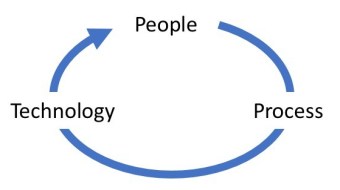
The focus on people begins and ends with mindset and culture. A people-first approach is critical to increase the chances of successful transformational change. A culture of ownership in the change must be cultivated and nurtured for people to feel an emotional connection to the change effort. Many organizations drive change through a process-first effort and end up with people saying the right words and half-heartedly walking through practices, but not truly embracing change. The result is often that little positive change really happens and the morale in the organization degrades. The people in the organization must have a direct emotional connection through ownership in their future to truly want the change to happen. Once that connection is established, they can collectively build a development process that they believe in. As that process begins to take shape products and technologies can be introduced to fuel and accelerate the change.
In large IT organizations, it can be difficult to involve enough people in defining the change effort to give a sense of ownership for each organization. The result is that some organizations feel left out, don’t buy into the new efforts and go their own way. To some extent that will happen and can’t be fully avoided, but it can be minimized. It’s important for leadership to show solidarity and commitment to the change effort. When senior leaders make a change effort a contest to see who finishes first, they are undermining the success of the larger change effort. Instead they should set an example of involvement and commitment to the larger effort. That will demonstrate trust in the recommendations of the teams driving the initial change efforts and motivate involvement from their teams. The change leaders can also involve various organizations by soliciting broad involvement in centers of practice to define improvement goals and process frameworks.
In addition to a culture and mindset foundation, the focus on people includes hiring and retaining the right people, getting them in the right roles, empowering them with the skills they need, and structuring organizations and teams to match the capabilities you need to sustain market growth. Once those basic needs are satisfied, a people focus evolves into developing a learning organization that can quickly evolve as the market changes. Companies are finding that teams thrive when they have enough structure to get started and the freedom to self-organize based on their specific needs.
The focus on process is about building a product development and support lifecycle that provides guidance, manages risk and variability, and provides context for decision-making while enabling positive change. Too much focus on a prescriptive process will stifle positive change and too little guidance will devolve into chaos and constant firefighting. I use the term “process” to cover the more general set of strategies, frameworks, methodologies and practices that define how teams develop and support products and services. Self-managed teams need terms of engagement and clarity of mission to make good decisions with minimal oversight. The use of a high-level framework, guiding principles and strategies, and a toolbox of practices that teams can utilize and expand on to meet their specific needs is an emerging pattern for success in the industry.
A focus on technology is about providing solutions for teams to collaborate across various locations, work effectively within process frameworks, and have visibility into the work they are doing. It’s also about having reliable and repeatable environments to develop, test and deploy solutions available on demand so they can deliver at their own speed. These technologies make the development process more repeatable and fuel the rate of change in an organization. A strategy for implementing for a portfolio of purchased solutions, developing loose integration between those products, and constantly evolving those solutions will be important. The IT organization needs to set standards for solutions that provide consistent metrics and regulatory compliance and allow flexibility at the “edge” where teams will be continually experimenting with new solutions that give them an advantage.
Once efforts are in place in all three areas of people, process and technology the transformation focus should circle back to people and continue that cycle again and again. That repetitive cycle is managed best as an agile cadence to reinforce the cultural change. As the people on the edges of the organization adopt the new processes they will go through stages of maturity and waves of rejection and acceptance. The importance of establishing a mindset of continuous improvement through regular team-based introspection is critically important. Teams need to take ownership of their own continuous improvement focus. This is often referred to as the shift from “doing agile” to “being agile.” A holistic business and IT agility strategy needs to focus equally on people, process and technology. If any one of those three legs of the transformation are neglected it will be on shaky ground!

 The Agile (IT) Organization